Table Of Content
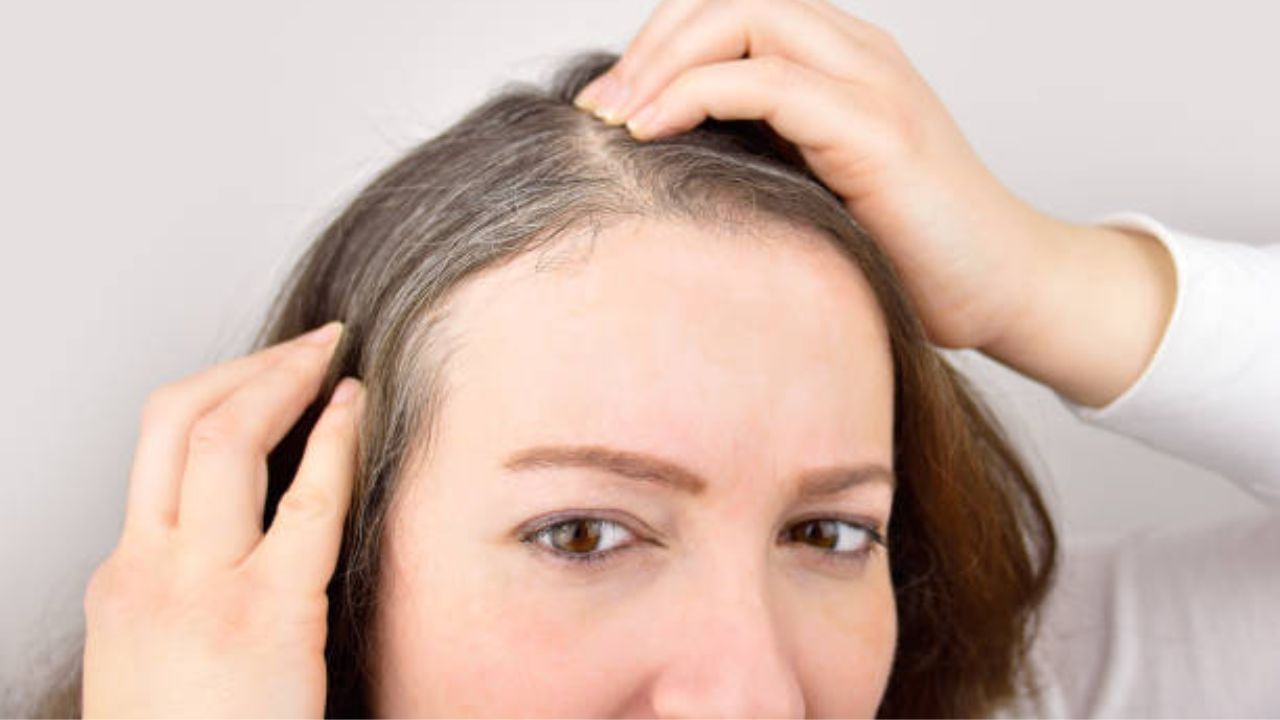
If you’re dealing with hair loss from stress, take heart in knowing that it’s likely temporary and your hair should return to normal. The findings can help illuminate the broader effects of stress on various organs and tissues. This understanding will pave the way for new studies that seek to modify or block the damaging effects of stress. It's important to remember that going gray is a natural part of aging that everyone will likely go through eventually.
Child & Teen Health
The team ultimately discovered that signaling from the sympathetic nervous system plays a critical role in stress-induced graying. Sympathetic nerves extend into each hair follicle and release noradrenaline in response to stress. Normally, the melanocyte stem cells in the follicle are dormant until a new hair is grown.
action: 'healthbeat'
If you notice your hair is greying significantly without any major changes in your lifestyle or routine, please consult with your doctor to rule out potential medical issues. If you’re not convinced that stress changes your appearance, look at these photos of Presidents over their time in office. You can see a similar dramatic change in former President Clinton.
New findings involving nervous system and stem cells suggest just how stress may trigger the change
Throughout history, there are stories of people’s hair turning prematurely gray from shock or stress. The study was conducted with mice; therefore, the relationship between stress and premature hair greying still needs to be further investigated. But the Harvard research has implications far beyond graying hair, with the hair color change merely one obvious sign of other internal changes as a result of prolonged stress. Historical accounts claim jailed British statesman Sir Thomas More and French queen Marie Antoinette went white overnight while awaiting execution.
In response, corticosterone (rodents' equivalent of the stress hormone cortisol) and norepinephrine (a neurotransmitter and hormone) flooded into the follicle. Once in the follicle, the norepinephrine caused the stem cell to transform into a regular melanocyte, meaning it could not divide indefinitely. With the stem cell permanently changed, the follicle no longer had a source of new pigment cells.
Dr. Patricia Simone is a cognitive neuroscientist and professor of psychology at Santa Clara University. The focus of her research is cognitive aging, and what factors influence long-term memory in older adults and children. The trait may have evolved partly to help pre-humans stand out from each other and attract mates, and to help regulate body temperature by absorbing or reflecting sunlight. "If you use your eyes to look at a hair, it will seem like it's the same color throughout unless there is a major transition," Picard says. "Under a high-resolution scanner, you see small, subtle variations in color, and that's what we're measuring."

Splitting hairs to document hair pigmentation
That’s the part of the body responsible for the “flight or fight response.” When the mice were stressed, their sympathetic nervous systems released a stress hormone called noradrenaline. Noradrenaline made pigment-producing cells (melanocytes) in the hair follicles die faster than usual. Additionally, a 2020 study conducted on mice found the connection between stress and gray hair may be plausible.
Grey hair: Could it be caused by stress? Science has an answer - USA TODAY
Grey hair: Could it be caused by stress? Science has an answer.
Posted: Fri, 14 Apr 2023 07:00:00 GMT [source]
While hairs are growing, cells receive chemical and electrical signals from inside the body, including stress hormones. These signals seem to change proteins under the roots, and those proteins harden once the hair grows out of the scalp. Gray hair is really hair with reduced melanin, while white hair completely lacks it. That’s partly because of a gradual decline in the number of stem cells that mature to become melanin-producing cells. The cells may wear out, become damaged, or lose the support systems meant to keep them working. Genes are also a factor, since they help control melanin production.
Once the melanocyte stem cells are lost, you can’t regenerate pigments anymore. "The cortisol causes the melanocytes to replicate more rapidly into pigment cells, permanently killing off all the melanin-producing cells from the dermal papilla, creating a white or gray hair fiber formation," Hill says. However, noradrenaline activates these stem cells too early and causes them to move away from the hair follicle’s color reserves.
That strand of hair — or in the mouse's case, fur — lost its source of color. Having established a link between stress and graying, the scientists then explored several potential causes. They first tested whether immune attack might be responsible for depleting melanocyte stem cells. But stressing mice with compromised immune systems still led to hair graying.
Exercise creates the release of “feel-good” chemicals like dopamine and serotonin. Mindfulness is the psychological process of actively paying attention to the present moment. But this emergency stress response isn’t always useful in our modern world of everyday stressors.
While there may not be a direct link between stress and gray hair, there is strong evidence that suggests stress can lead to various health and cognitive issues. A recent study conducted at Columbia University found that while on vacation, gray hair may revert back to its original color, which suggests a link between stress and gray hair – with the exciting possibility that it may be reversible. The 14 healthy participants in this study were aged between 9 and 65, and already had some signs of gray or white in their hairs.
Not everyone showed evidence of regaining color, and it didn’t happen in any volunteers over the age of 40 in this study. More research will tell us if de-stressing can reverse hair loss later in life. Picard and his co-authors suggested that it may be possible to reverse graying hair in someone who has recently gone gray. For someone who has had gray hair for years, however, removing stress is unlikely to cause their locks to rebound to their original color, as the hair has gone well past the graying threshold.
"The medical term for graying is canities," trichologist Bridgette Hill, WTS, tells PS. "There is a growing curiosity in the science and medical community for study of the hair follicle," she says. "Graying is the loss of melanin in the hair shaft. Melanin is the term used to describe natural pigments found in most organisms." You’re more likely to go gray prematurely if your family members went gray early, too. Some medical conditions and vitamin deficiencies also lead to premature graying.


No comments:
Post a Comment